

C.G. Jung on the profession of psychotherapist
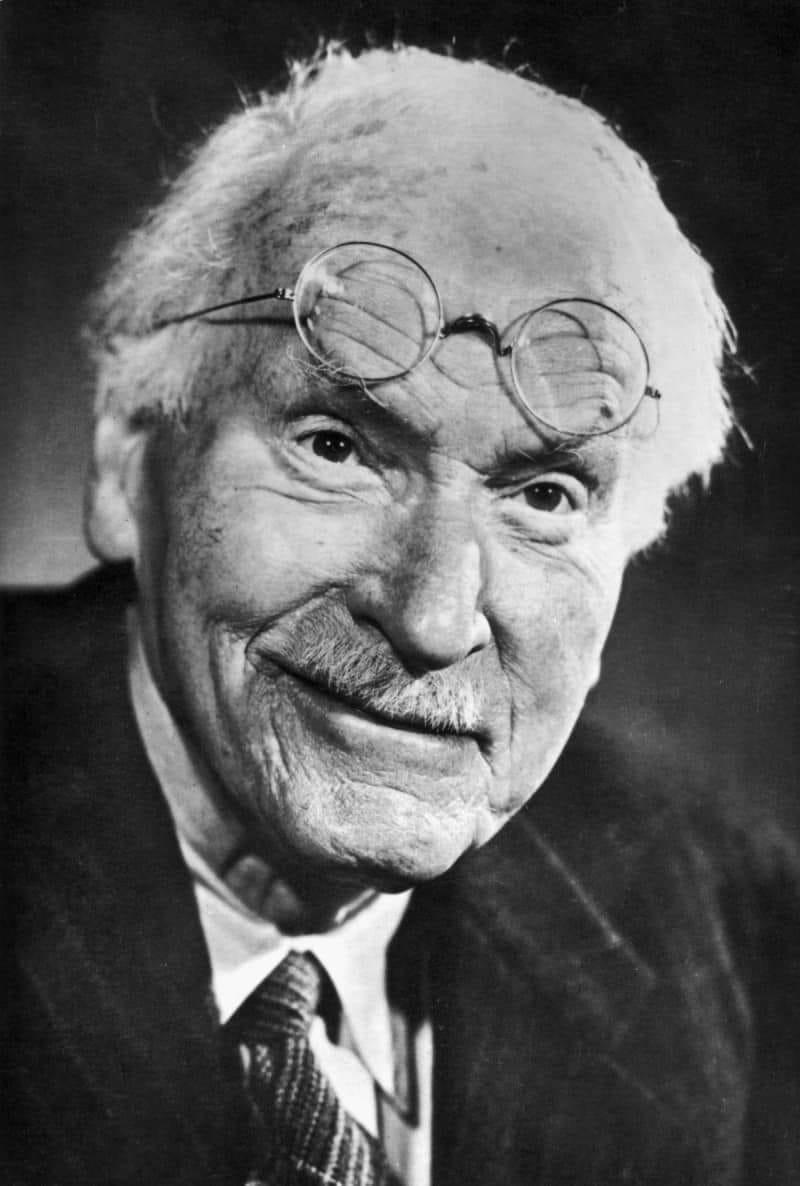
"I would miss a very important nuance if I did not mention that knowledge alone is not enough for special treatment. The moral image of the doctor is no less important. In surgery and obstetrics, it has long been known that not only the places on the patient's body necessary for manipulation should be clean, but also the doctor's hands. Similarly, a psychotherapist whose mental health leaves much to be desired will treat his own neurosis on the patient. And if in the field of rational methods it is still possible to imagine a therapy that does not take into account the personality of the doctor, then with a dialectical approach this will be absurd, since here the doctor must throw off the mask and reveal his personality no less than the patient. I do not know what is more difficult - to be able to acquire great knowledge or to find the strength in oneself to refuse the authority of the doctor and go for revelation. At least this is a difficult test and therefore the profession of a therapist looks far from attractive. In any case, the necessity of this becomes a difficult test, which makes the profession of a psychotherapist less attractive, although many people far from it hold the opposite opinion. I have often heard from them that psychotherapy is just the art of leading patients by the nose and extorting money from them, and doing this is easy and simple. In fact, this profession is the most difficult and far from safe. If an ordinary doctor constantly risks contracting a disease, a psychotherapist is in no less danger - to be infected mentally. But this risk of being involuntarily drawn into the neuroses of his patients is only one side of the danger, because if the doctor tries to completely protect himself from their influence, he may not succeed in treatment, so he is forced to be between Scylla and Charybdis all the time, feeling a certain risk, but at the same time, receiving a therapeutic effect. C.G. Jung "General Problems of Psychotherapy"