-
Home page

-
Alter Ego Services
- Get rid of eating disorders
Get rid of eating disorders

Formats of holding: Online or In Person


What are eating disorders?
Eating disorders (EDs) are a broad term that describes abnormal patterns of eating that can lead to physical, psychological, and social problems. EDs can include overeating, undereating, or eating in a negative way (for example, eating only certain foods or purging by self-induced vomiting).
Symptoms of RCP:
- constant concern about body weight and shape; refusal to eat despite feeling hungry; withdrawal and frequent mood swings; exhausting physical exercises;
- Refusal to meet with friends and relatives (especially on holidays due to the need to eat);
- following strict diets or significantly restricting food;
- having a daily routine with clear times and number of meals;
- weighing food and counting calories;
- fear of food, food is the enemy
- tingling and pain in the extremities;
- a feeling of numbness in the arms and legs (due to impaired blood circulation);
- constant fatigue;
- dizziness and episodes of loss of consciousness;
- rapid heartbeat;
- sudden weight change (gain or loss);
- eating rituals (long chewing of food, eating alone);
- working out your diet in the gym or through other sports;
- constant weighing.
The most common types of RHP:
- Anorexia is a significant loss of body weight, an obsessive desire to be thin, to lose fat, a fear of any weight gain, and, of course, a complete or partial refusal to eat.
- Bulimia is an eating disorder characterized by bouts of binge eating, followed by
An act of forced elimination of excess food occurs. This compensatory behavior can manifest itself in two ways - through the use of diuretics, laxatives, vomiting or periods of fasting, selective eating, and exhausting workouts. - Compulsive overeating is frequent bouts of uncontrolled "gluttony" when you want to eat something tasty, high-calorie, or something that is at home, sometimes until you feel a feeling of heaviness in your stomach or the food runs out.
What kind of people are more prone to RHP?
- People who are susceptible to stress and who are unable to express emotions
- Perfectionists
- People with low self-esteem
- People who are influenced by certain beauty standards
- People who idealize, including certain body shapes
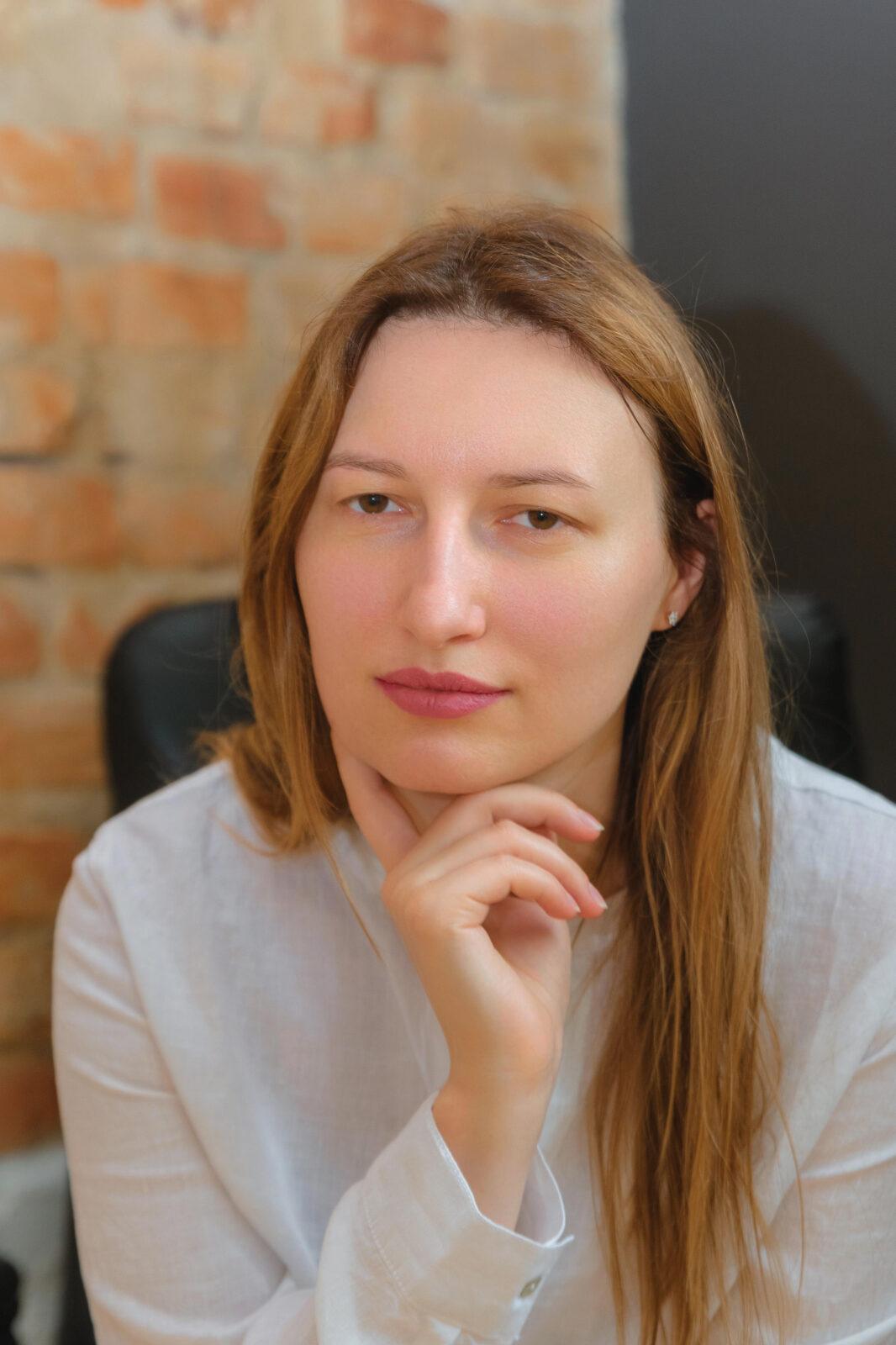
Specialists who will help you
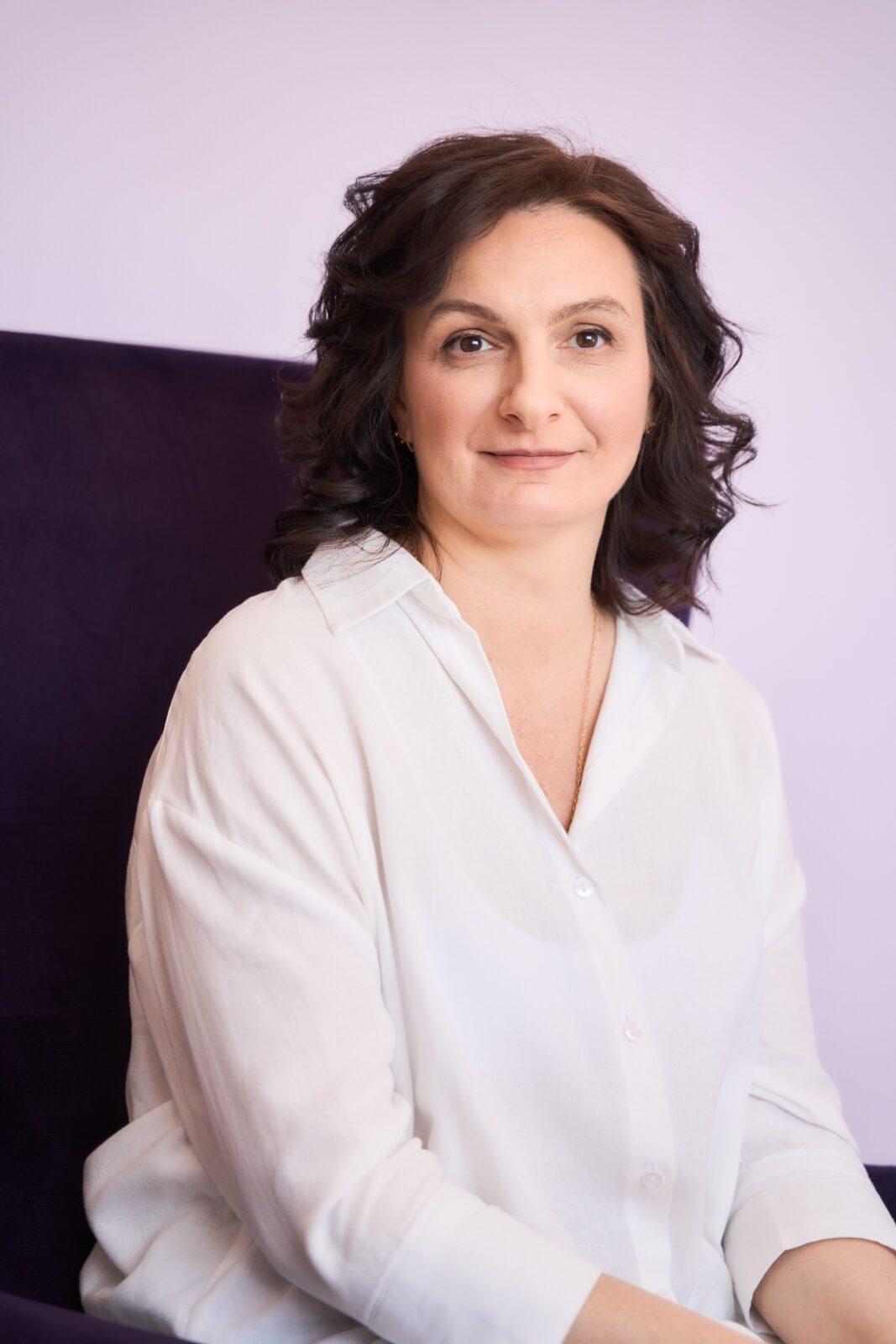

Adult
Teenage
Individual
Family consultation
Couples consultation
Online/Offline
1 500 session
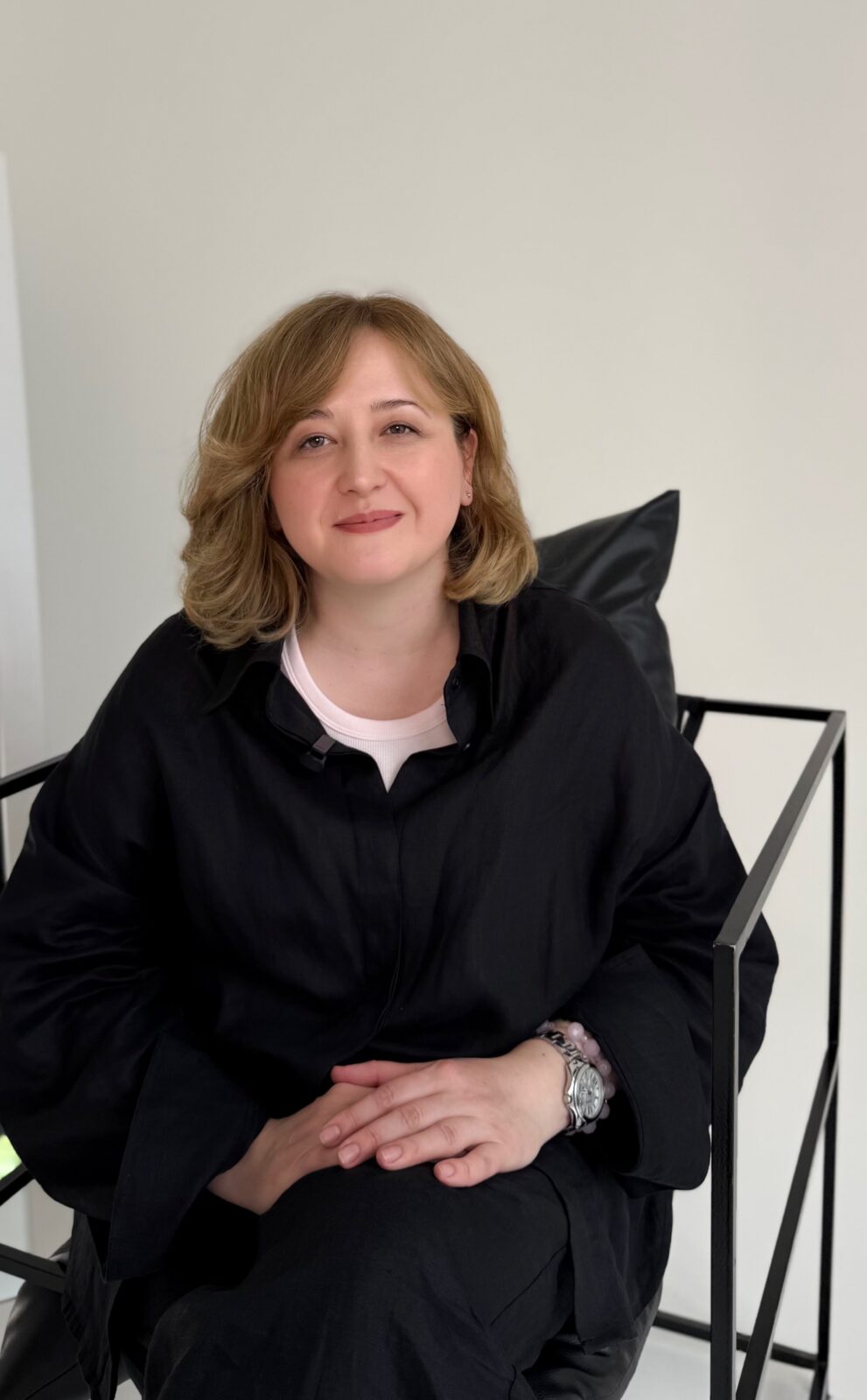

Children's
Teenage
Adult
Group consultation
Individual
Family consultation
Military
Couples consultation
Online
1 500 session
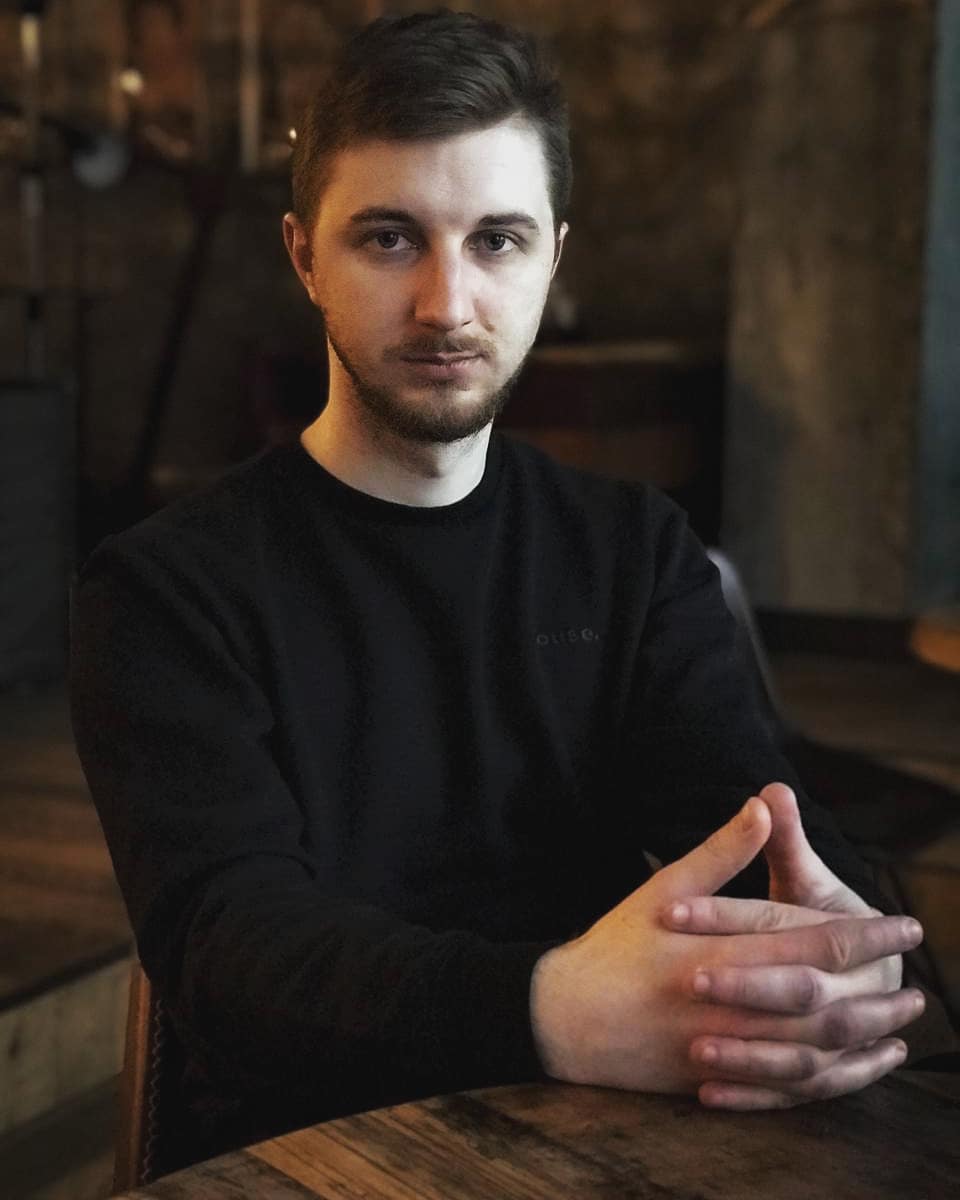

Adult
Individual
Family consultation
Couples consultation
Online/Offline
2 000 session
Make a gift for yourself or your loved ones
-
 Choose the format and location
-
Specialist experience
-
And the desired amount
How does the first consultation
take place?
01
Introduction and discussion of the problem
The work begins with an initial interview, where the main tasks are defined and all framework conditions are agreed upon. For the initial interview, 1 to 4 meetings are required.
02
We outline a plan for further actions
We clarify our expectations from the consultations, the goals that can be achieved during the work. We will discuss the duration of the analysis and the frequency of meetings.
03
Understanding the scope of work and solution methods
Sometimes there is a need to solve one specific problem, but there is no need for a deep analysis. It may be the other way around. We will discuss this and come to a joint solution.
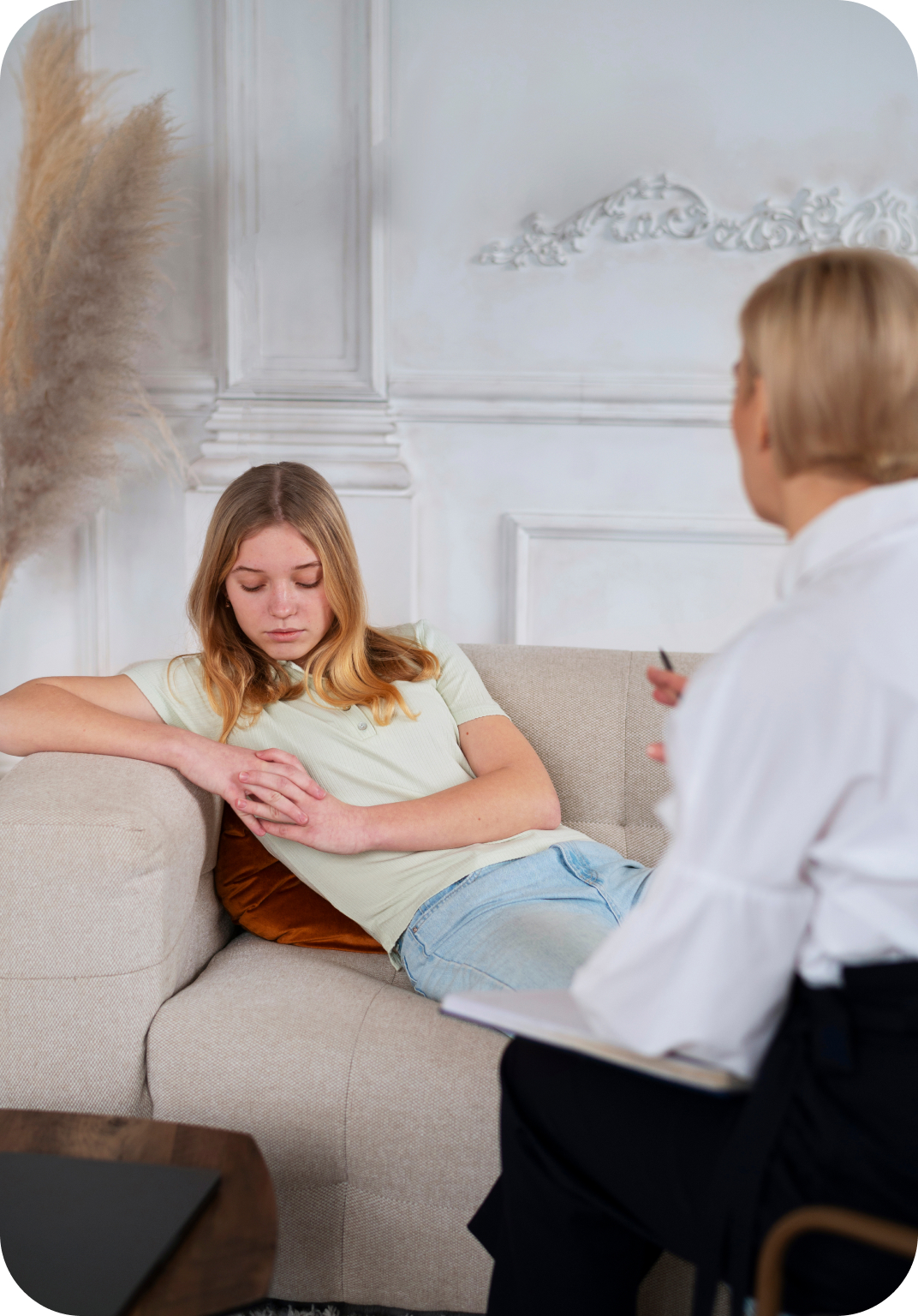

Work is done individually.

The session lasts about 50 minutes.

Payment in a convenient format: cash or online

Ability to work via Google Meet or Zoom

Working languages: Ukrainian, Russian and English by agreement

Postponement of consultation by 24 hours