
-
Home page

-
Alter Ego Services
- Psychological support for military personnel and their loved ones
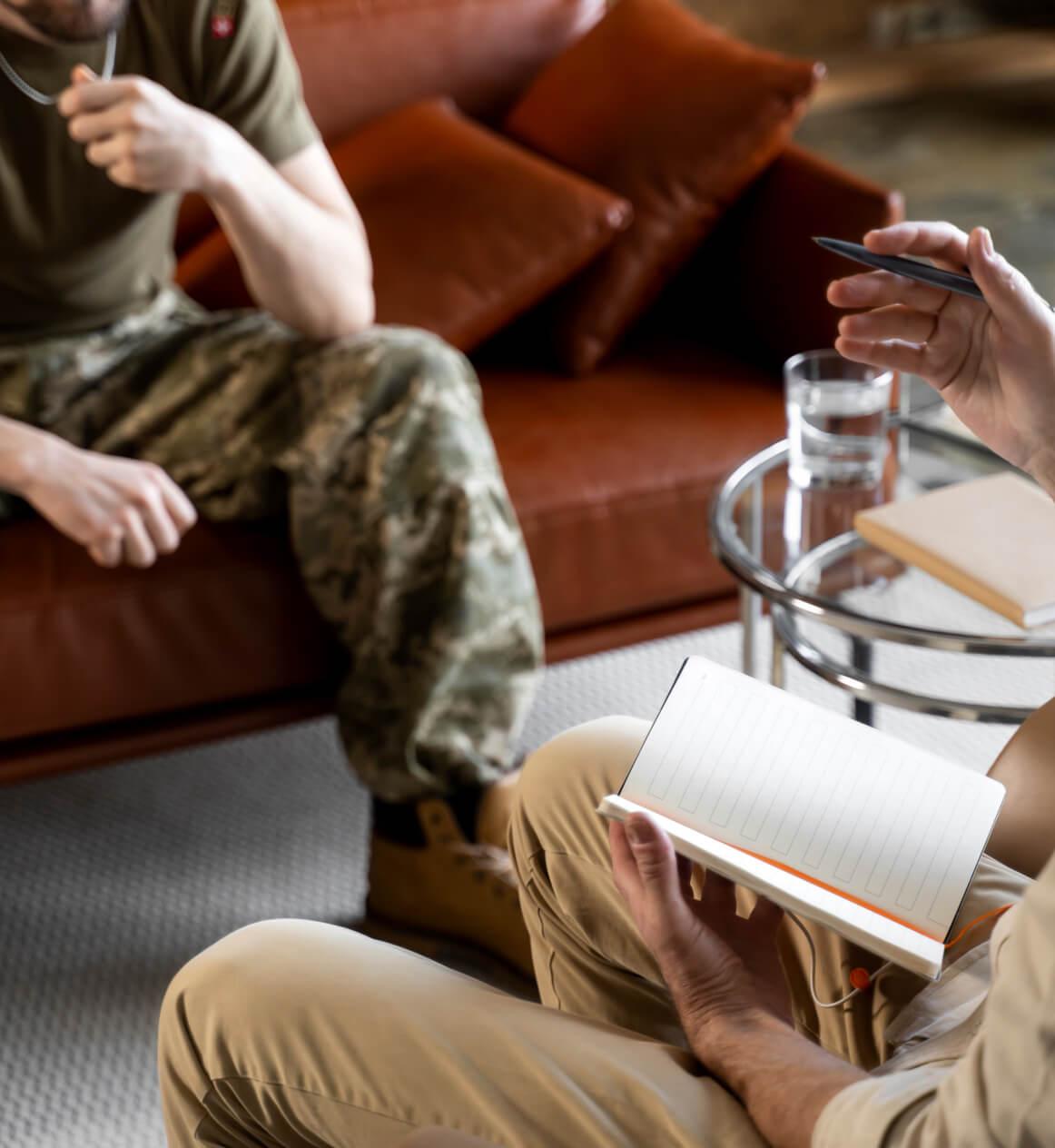
Psychological support for military personnel and their loved ones

Formats of holding: Online or In Person


How can the lack of psychological support from a specialist negatively affect servicemen and their families?
- Deterioration of mental health: Without professional support, service members and their families may experience increased levels of stress, anxiety, and depression, which can lead to deterioration of mental health.
- Loss of coping resources: Specialists can provide specific skills and strategies for stress management, self-help, and resilience building. Without this, soldiers and their families may lose access to valuable coping resources.
- Worsening family relationships: Stressful situations that arise in military families can lead to conflicts and deterioration of relationships between family members. Without professional support, these conflicts can remain unresolved and lead to further aggravation of the situation.
- Loss of opportunity for recovery: Psychological support can help military personnel and their families recover from stressful events, such as combat or separation. Without it, they may remain in a state of post-traumatic stress and have no opportunity to recover their mental health.
How can a psychotherapist help military personnel and their loved ones?
- Stress Management: A therapist can teach stress management strategies that will help military members and their families better cope with the challenges of military life.
- Anxiety and Depression: A therapist can help military members and their families understand and manage anxiety and depression by providing support, teaching self-regulation skills, and working to change thoughts and beliefs.
- Overcoming Post-Traumatic Stress Disorder (PTSD): A therapist can help soldiers suffering from PTSD understand their emotions and experiences, teach self-defense techniques and coping strategies, and work on rebuilding relationships and daily life activities.
- Support during times of crisis: A psychotherapist can provide support to military personnel and their loved ones during times of crisis, such as combat, separation, or the loss of comrades, helping them find ways to cope with stress and restore their mental health.
- Supporting Family Relationships: A therapist can work with military personnel and their families to improve communication, understanding, and support in family relationships.
Special and social offers for charitable foundations
Regarding the list of special and social offers for charitable foundations and organizations working with the military, we have the following options - offer here.
Specialists who will help you



Children's
Teenage
Adult
Family consultation
Individual
Couples consultation
Group consultation
Military
Online/Offline
1 500 session


Children's
Teenage
Adult
Group consultation
Individual
Family consultation
Military
Couples consultation
Online
1 500 session

Children's
Teenage
Adult
Family consultation
Individual
Group consultation
Military
Couples consultation
Online/Offline
1 600 session


Make a gift for yourself or your loved ones
-
 Choose the format and location
-
Specialist experience
-
And the desired amount
How does the first consultation
take place?
01
Introduction and discussion of the problem
The work begins with an initial interview, where the main tasks are defined and all framework conditions are agreed upon. For the initial interview, 1 to 4 meetings are required.
02
We outline a plan for further actions
We clarify our expectations from the consultations, the goals that can be achieved during the work. We will discuss the duration of the analysis and the frequency of meetings.
03
Understanding the scope of work and solution methods
Sometimes there is a need to solve one specific problem, but there is no need for a deep analysis. It may be the other way around. We will discuss this and come to a joint solution.


Work is done individually.

The session lasts about 50 minutes.

Payment in a convenient format: cash or online

Ability to work via Google Meet or Zoom

Working languages: Ukrainian, Russian and English by agreement

Postponement of consultation by 24 hours