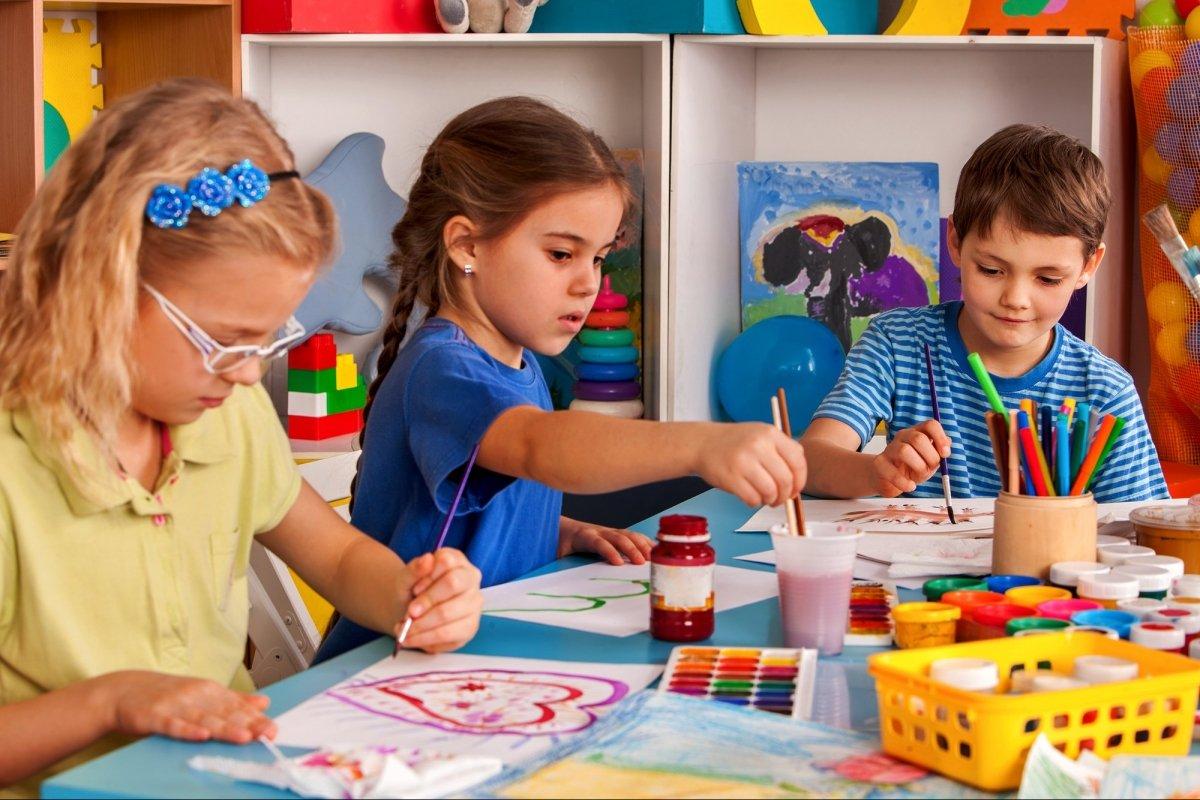
One of the most important stages of a child's development and growth is the stage when the child starts going to kindergarten. It can begin between the ages of 1.5 and 3, depending on the parents' employment and the availability of helpers (grandparents, nannies, etc.). Many parents are afraid of this stage for several reasons:
- own negative experience;
- the child's psychological readiness for separation from mom and dad;
- lack of self-care skills;
- adaptation to an unfamiliar environment.
How to minimize stress for children and parents when adapting to kindergarten?
Many fears, stresses, and tears can be avoided if you approach the adaptation process gradually for both the baby and the parents. Key points to pay attention to:
- Getting rid of your own childhood fears.
- Preliminary acquaintance with the teacher.
- Talking with your child about kindergarten (making new friends, playing games, drawing, reading), reading children's books on the topic.
- Acquiring self-care skills.
- Gradual increase in time spent in kindergarten.
- Rituals of farewell and meeting.
Most of all, we fear for our child, remembering our own negative experience. When sending a child to a preschool, we must remember that we want to receive quality service and the opportunity to care for our child, and not the mandatory "socialization" and "preparation for school" of the Soviet era. Parents have the opportunity to choose a preschool institution themselves (state or private), familiarize themselves with the rules, methods, routine, and quality of food. And in general, if there is no urgent need, you can stay at home, receive socialization on playgrounds and in various developmental classes. If separation from your child for any time causes you anxiety, fear, or panic, then you should contact a psychologist-psychotherapist who will help you understand the real reasons for these feelings and change your attitude to the situation. To reduce the stress and bitter tears of the first separation between the baby and mother, we recommend that you arrange a preliminary acquaintance of the child and the teacher. Modern teachers are quite positive about this. With such an acquaintance, the baby will not perceive the teacher as a strange and scary aunt. This reduces stress not only for the child, but also for the teacher himself and simplifies the further process of adaptation in the preschool institution itself. To accumulate positive emotions, waiting for a trip to kindergarten, it is worth telling the baby about joyful and pleasant moments. Interesting games with new friends, fun walks, new useful activities. Books about kindergarten will help with this, the variety of which is quite large in bookstores and the Internet. The child will feel more comfortable if he can be independent enough. Change clothes on his own, fold clothes, eat with a spoon quite skillfully. It is necessary to gradually teach the baby to be independent in advance. Only if the training does not concern the nursery age. Don't despair if your child doesn't succeed right away. Be careful and don't scare your child with scary stories from your own experience or other people's fantasies. Some parents believe that immersing your child in a new environment should be done immediately and completely. Like dipping them in cold water. Yes, sometimes it works if your child is older than 2.5-3 years old. But at a younger age, it can cause severe tantrums and deep stress. Gradually increasing the time spent in a new environment will make getting used to it more calm and comfortable. And finally, I would like to draw parents' attention to the rituals of farewell and meeting. You should always keep your promises to your child. If you say you will pick them up after their nap, keep your word, don't make your child wait and be disappointed. When saying goodbye, tell them about the pleasant things that await them today, and when you meet them, ask them what they liked and didn't like. Meet with a smile and let your child express everything that has accumulated during the time without you. The text was prepared by Olena Lukina, a psychologist/psychotherapist at the Alter Ego psychotherapy center.